Finding the Right Oklahoma City Electrician for Reliable Electrical Services
Finding the Right Oklahoma City Electrician for Reliable Electrical Services
Blog Article
Certified Electrician for Safe and Reliable Electrical Solutions
Engaging a licensed electrician is a crucial determination for both commercial and residential properties. Their expertise assures adherence to local requirements, encouraging safety and efficiency in electrical systems. Failing to address electrical problems can lead to serious risks, involving fires and shocks. Recognizing the role of a licensed electrician can demonstrate why their services reference are indispensable. What aspects should one take into account when picking the correct specialist for particular requirements?
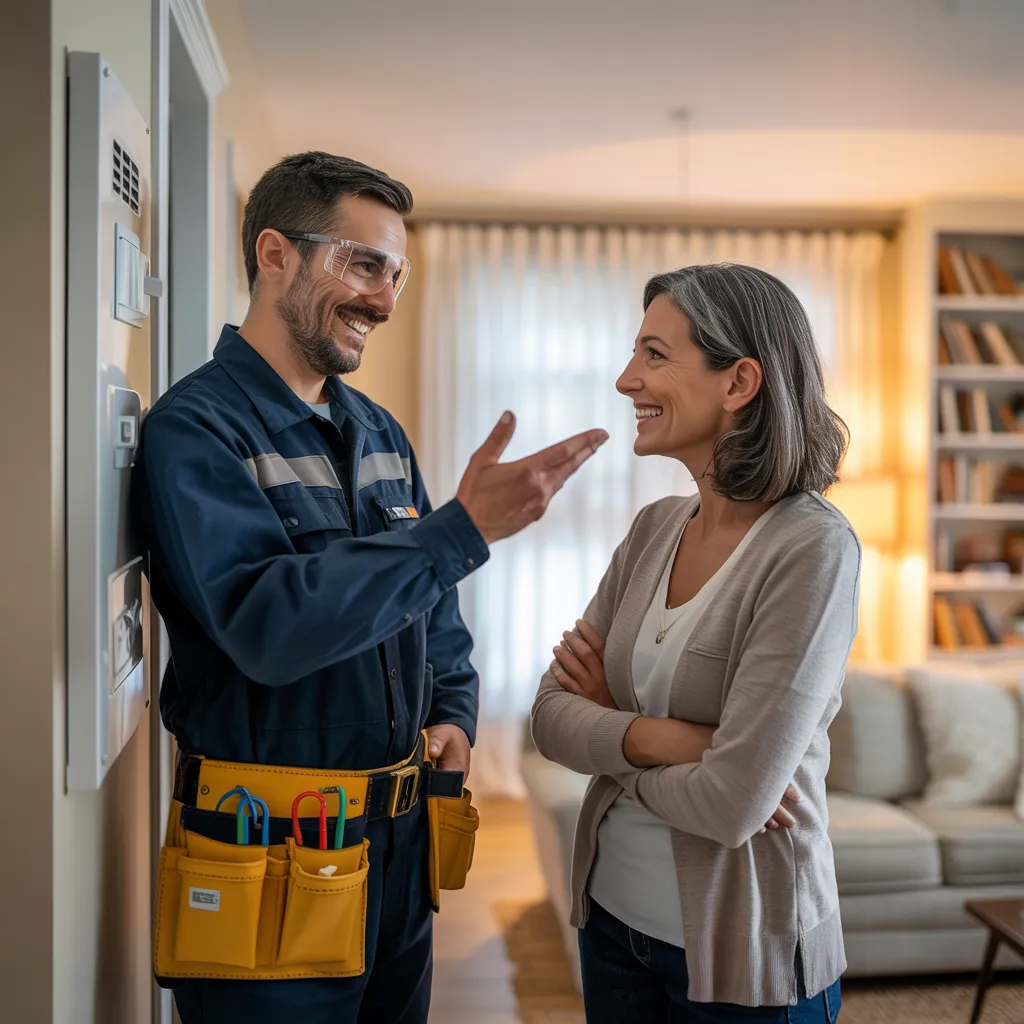
Standard Electric Difficulties You Shouldn't Overlook
Many householders may overlook typical electrical difficulties, but addressing these issues promptly is important for safety and efficiency. Flickering lights often signal a loose bulb or faulty wiring, which can progress into more dangerous conditions. Similarly, frequent tripped circuit breakers indicate an overburdened electrical system or potential short circuits, both demanding swift intervention. Overheating outlets can lead to fire hazards, pointing towards aged wiring or incompatible devices. Owners should also be alert to unusual electrical smells, as they may indicate burning insulation or other serious issues. Finally, if outlets or switches become warm to touch, this can signal a serious electrical fault. Recognizing these problems early can prevent accidents and costly repairs, ensuring a more secure home setting. By giving priority to solving these common electrical challenges, homeowners can keep their electric systems safe and efficient.
Why Choosing a Licensed Electrician Is Fundamental
Retaining a trained electrical expert is required for maintaining electrical codes, which are established to safeguard property and lives. Their competence not only assures proper installation and repairs but also emphasizes safety in unsafe situations. By retaining a licensed professional, homeowners can eliminate costly mistakes and boost the service life of their electrical systems.
Following Power Regulations
Guaranteeing compliance with electrical codes is key for the safety and functionality of any electrical equipment. Licensed electricians possess the knowledge necessary to navigate the complex standards that oversight electrical work. These codes are formulated to protect users and property from electrical threats, making certain that installations are safe and stable. Failure to respect these codes can result in serious consequences, including electrical outbreaks, equipment damage, or costly repairs. Moreover, many regions require permits for electrical work, which licensed electricians can promptly obtain. By selecting a licensed professional, homeowners and businesses can verify that their electrical systems meet all essential standards, ultimately promoting a more secure environment and extending the longevity of the installation. Compliance is not simply a regulatory requirement; it is a important element of responsible electrical work.
Expertise And Safety Assurance
A professional electrician who is certified acts as an indispensable resource in safeguarding the safety and reliability of power systems. Their thorough education and proficiency provide them with the ability to diagnose and address intricate electrical complications, curtailing risks related to faulty wiring or improper setups. Licensed electricians maintain demanding safety practices, substantially decreasing the likelihood of injuries or violations. Moreover, they are knowledgeable about state and federal electrical guidelines, which ensures compliance and shields homeowners from potential legal liabilities. When selecting a licensed electrician, individuals can rest assured that their electrical needs are executed with exactness, fostering a protected space. Ultimately, this investment in professional expertise translates to peace of mind and sustained cost benefits in maintenance and repairs.
What You Require Knowledge of About Local Electrical Codes
Knowing local electrical codes is important for supporting safety standards and legal adherence in any electrical activities. These codes not only fluctuate by region but also lay out critical safety standards that must be followed through. A licensed electrician is extensively experienced in these guidelines, making their competence irreplaceable for any project.
Importance Of Electrical Guidelines
Adhering to electrical codes serves as a critical framework for protection and performance in electrical systems. These codes, set forth by local and national authorities, guarantee that electrical infrastructure are installed and designed to minimize hazards such as electrical fires, shocks, and equipment failures. Adherence to these codes encourages consistency in building practices, enabling maintenance and inspections. Furthermore, electrical codes are periodically updated to account for advancements in technology and safety practices, making it vital for electricians to remain current. By adhering to these codes, licensed electricians not only protect lives but also enhance the durability and dependability of electrical systems. In the end, the importance of electrical standards is paramount, as they serve a critical function in protecting both people and property.
Local Code Variations Illustrated
While circuit standards formulate a initial standard for safety, jurisdiction-specific differences often express the unique needs and states of specific communities. These local codes may consider factors such as weather type, density levels, and historical infrastructure. For instance, zones with difficult climates may have stricter directives for exterior work, while regions with older buildings might call for extra measures for retrofitting. Additionally, local authorities may adopt codes to support operational savings or green practices, harmonizing with regional goals. Understanding these changes is indispensable for property owners and builders, as compliance guarantees not only safety but also the longevity of power networks. Ultimately, partnering with a licensed electrician familiar with area codes is imperative for successful project completion.
Compliance And Safety Standards
How can homeowners guarantee their electrical installations meet security requirements? Comprehending local electrical codes is vital for verifying compliance and safety. These codes are created to safeguard both property and individuals from electrical dangers. Homeowners should consult with certified electrical professionals who are knowledgeable about these regulations, as they differ by location and may change over time. Routine checks can help identify possible problems before they become serious problems. Additionally, obtaining the necessary permits before beginning any electrical projects is critical, as this ensures that the installation is reviewed and meets all local standards. By remaining knowledgeable and collaborating with experts, homeowners can ensure their electrical systems are both secure and effective, minimizing the risk of accidents and improving overall functionality.
Selecting the Perfect Licensed Electrician for Your Project
Finding the right experienced electrical contractor for a project can greatly impact its success and safety. Persons should begin by examining electricians with current licensing and insurance coverage, ensuring they meet local standards. Endorsements from friends, family, or online reviews can provide understanding into a specialist's trustworthiness and service quality.
It's vital to examine the electrician's background in related projects. A experienced electrician may be more capable at tackling particular tasks, such as home circuitry or industrial projects. Additionally, requesting multiple quotes can aid in comprehending typical costs and the variety of work made available.
Communication capabilities are also crucial; effective electricians must be able to explain issues clearly and address any questions. Finally, inspecting warranties on completed work can provide peace of mind, making certain that any future issues will be resolved. By carefully weighing these factors, individuals can select an electrician who aligns with their project needs.
Rewards of Routine Audits by Certified Electricians
What advantages can regular inspections by certified electrical professionals offer homeowners and businesses? Regular inspections guarantee that electrical systems function safely and efficiently, minimizing the risk of hazards such as electrical fires or equipment failures. Licensed electricians possess the expertise to detect potential issues before they escalate, allowing proactive maintenance and avoiding costly fixes. Moreover, these evaluations help guarantee compliance with local codes and regulations, protecting against legal exposure.
Additionally, routine evaluations can improve energy efficiency by identifying old or defective wiring and appliances, ultimately reducing energy bills. Homeowners and businesses can also benefit from improved reliability of electrical systems, reducing downtime and disruption. By committing to regular checkups, property owners can extend the lifespan of their electrical systems, guaranteeing long-term performance and safety. Overall, regular inspections by licensed electricians offer peace of mind, knowing that electrical systems are in peak condition.
Comprehending the Investment Required for Choosing an Electrician
Comprehending the costs connected with employing an electrician is essential for property owners and commercial enterprises equally, particularly after understanding the significance of routine inspections. Multiple elements influence these expenses, including the difficulty of the task, the electrician's background, and regional cost differences. Generally, electricians bill both hourly rates or fixed fees for distinct services. Per-hour charges can range from $50 to $150, based on the electrical professional's skills and the job's urgency.
In addition, equipment and authorizations may contribute to the overall expenses. For common jobs, such as installing fixtures or upgrading outlets, costs can be foreseeable. Yet, emergency repairs or major rewiring can greatly increase expenses. Property owners and commercial entities should also take into account possible future savings from engaging certified contractors who guarantee compliance with safety standards. In summary, understanding these costs can assist with deciding wisely and budgeting effectively for electrical requirements.
Frequently Common Questions
In What Manner Can I Verify an Electrician's Licensing and Credentials?
To confirm an electrician's licensing and qualifications, one should consult the local licensing board, review state or provincial regulations, and check online databases to confirm their credentials and any potential disciplinary actions.
What Certifications Need I Find in a Licensed Electrician?
When selecting a qualified electrical contractor, you should seek out relevant certifications, experience in specific electrical tasks, familiarity with local standards, insurance coverage, and positive customer reviews to guarantee superior performance and trustworthiness in their labor.
Can I Execute Electrical Work Personally if I Have Experience?
Experience can be valuable, yet performing electrical work without requisite licenses and permits is commonly inadvisable. Local requirements typically mandate licensed professionals for safety, compliance, and reliability, confirming that all work meets necessary standards.
What Safety Precautions Should I Take During Electrical Work?
In electrical projects, individuals should always turn off power, use insulated tools, wear rubber-soled shoes, and guarantee proper ventilation. Additionally, adopting personal protective equipment and observing local codes promotes safety and curtails risks considerably.
What Can I Do to Arrange My Residence Before an Electrician's Visit?
Planning for an appointment with an electrician requires property owners must clear work areas, allow unobstructed entry to electrical panel boxes, pull together relevant documents, and discuss particular worries or problems prior to the visit to enable efficient service and communication.
Report this page